Plant Propagation
EFB 437/637
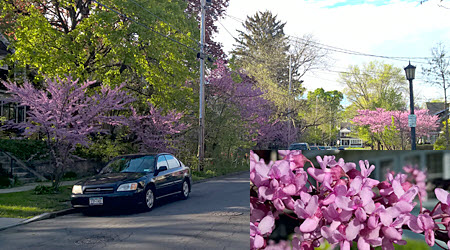
The various kinds of seed dormancy can be difficult to grasp - especially if you're a "visual" learner (like me) - as it's difficult/impossible to "see" seed dormancy happening in real time. Developed at the University of Kentucky, this clever lab exercise uses seed of Redbud trees (Cercis canadensis) collected last fall to do just that - make seed dormancy, specifically "primary, endogenous, physiological" seed dormancy visible in just two weeks.
Now, before we get to the "doing" part of this lab exercise, please review the seed dormancy-related videos and readings from Chapter 7 - Principles of Propagation from Seed as you consider the following questions.
- What happens to a seed under the influence of primary dormancy when it is exposed to conditions that are ideal for germination?
- What are the the three types of "primary, endogenous, physiological" seed dormancy?
- What is the underlying cause of each of these dormancies - and how might you overcome them?